PGCMLS Proudly Celebrates Women's History Month
Library staff reflect on the meaning and history of Women's History Month. They offer their honest insights on obstacles faced, progress made, and hope for the future.
Events
Videos
The Equal Rights Amendment: Yesterday and Today
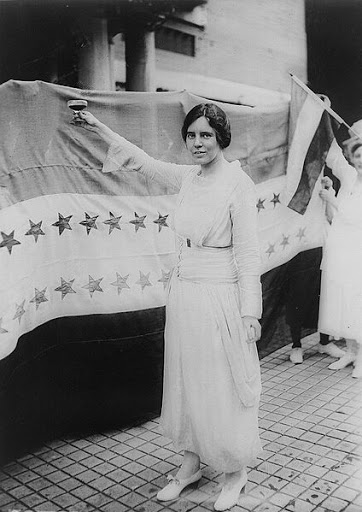
Written in 1921 by suffragist Alice Paul, the Equal Rights Amendment was introduced into every session of Congress between 1923 and 1972. A panel explores the proposed amendment and its implications in today's world.
10th Annual McGowan Forum on Women in Leadership: Political Campaigns
Political communicators and strategists discuss their experiences working on political campaigns on both local and national levels, the changes in opportunities and obstacles, and advice for young women looking to become more involved in politics.
Joelle Gamble Closing Remarks | National Conversations on #RightsAndJustice
Joelle Gamble, Director of National Network of Emerging Thinkers, Roosevelt Institute, shares her experience as an emerging generation.
America's First Ladies: In Service to Our Nation
First Ladies have long the power to shape societal attitudes and used their platform to advocate for important issues. This conference focuses on the First Lady as spouse of the Commander in Chief and the actions they have taken, throughout times of war and peace, to support Americans in combat, military families, and the country's veterans.
Harriet Tubman: A Woman of Courage and Vision
In celebration of the March 2017 grand opening of the Harriet Tubman Underground Railroad Visitor’s Center, we join the National Park Service in presenting a panel discussion examining the life and legacy of Harriet Tubman and the ongoing preservation of her Maryland.
Madam C.J. Walker in the National Archives
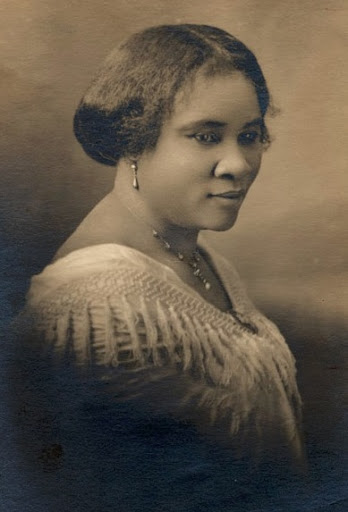
Madam C.J. Walker, one of the great American entrepreneurs of the early 20th century, was born to former slaves and grew up in destitution.
Women's Suffrage Movement Timeline
1799
Abigail Adams wrote a letter refusing to consider women as being inferior to men. Abigail advocated for women's rights, educational equity and abolitionism.
1807
The State of New Jersey who initially allowed women who met certain property requirements to vote decides to limit the vote to white females.
1848
Seneca Falls Convention where the Declaration of Sentiments (similar to the Declaration of Independence) was drafted and signed. Many of the signers of the Declaration, including Lucretia Mott and Elizabeth Cady Stanton, would emerge as leaders in the women’s suffrage movement.
1851
Sojourner Truth delivers her later titled “Ain’t I a Woman” speech at the Women’s Convention held in Akron, Ohio.
1869 (May)
National Woman Suffrage Association (NWSA) was founded by Elizabeth Cady Stanton and Susan B. Anthony and published “The Revolution.”
1869 (November)
American Woman Suffrage Association (AWSA) founded by Lucy Stone and published “The Woman’s Journal.” AWSA focused on advocacy with state legislatures.
1869 (December)
The territory of Wyoming grants women age 21 and over the right to vote.
1872
The state of New York did not explicitly prohibit women from voting, but when Susan B. Anthony and a few women suffragist did so, they were arrested, charged with “criminal voting” and fined.
1890
The NWSA merged with the AWSA to form the National American Woman Suffrage Association (NAWSA).
1913
The Congressional Union for Woman Suffrage was founded by Alice Paul and Lucy Burns. Their aggressive suffragist campaign included petitions, rallies, parades, pamphlets, pageants, speaking ours and lobbying.
1916
The National Women’s Party emerges from The Congressional Union.
1917 (April)
With United States involvement in World War I, more women entered the labor force.
1917 (June)
Protesting suffragists were arrested, imprisoned and even force-fed when on hunger strikes.
1919
U.S. Senate approves the 19th Amendment to the U.S Constitution.
1920
Ratification of the 19th Amendment. Tennessee became the required 36th state to ratify the amendment.
1924
Snyder Act passed. Native American women gained limited rights to vote.
1935
All Puerto Rican women were given the right to vote. Expanded from previous literacy requirements.
1952
Immigration and Nationality Act passed. Allows naturalized Asian American immigrant women the right to vote.
1965
Voting Rights Act guarantees equal access to vote. All women now have equal access to voting. This was the first time African American women had protected federal access to voting.
2021
Kamala Harris becomes Vice President. This is the highest elected position ever held by a woman in the United States.